

Straightening Machine
Why Choose Us?
Rich Experience
Yantai Haige Machine Tools Co.,Ltd. was built in 1999,which is mainly producing series WXC Centerless Lathe(Bar Peeling Machine). Based on more than ten years manufacture and design experience,our machine have been exported to Russia,Vietnam,India,Korea and other countries and regions.
Wide Range of Applications
Our machine are widely used in application fields:Bright steel;Hydraulics;Machining;Auto Parts;Springs;Fasteners;Bearings;Non-ferrous Metals,such as copper,titanium,magnesium,aluminum,etc.
Reliable Product Quality
We always feel that all success of our company is directly related to the quality of the products we offer. They meet the highest quality requirements as stipulated in ISO9001, ISO14000:14001 SGS guidelines and our stringent quality control system.
Continuous Innovation
We have been constantly updating the products design and manufacturing process and introducing advanced processing equipment, which can fit the end-user's experience much better and keep high production capacity at the same time.
A Straightening Machine sometimes called a flattening machine or a levelling machine, is used to smooth out dents and dings in metal sheets by applying pressure to a strip or sheet of material between two rollers of progressively larger diameters. The primary goal of any machinist is to efficiently and cheaply achieve the desired shape in a workpiece. Their primary function is to improve the straightness of the material’s surface before it is employed in a final product.
-
![JZ7G 80Seven Roller Straightening Machine]()
-
![JZ7G 100Seven Roller Straightening Machine]()
-
![JY60A Straightening Machine]() JY60A Straightening MachineThe WXC series of center-less lathe and JY series of straightening machines are high -level new equipment with independent intellectual property rights on the basis of absorbing and digesting...read more
JY60A Straightening MachineThe WXC series of center-less lathe and JY series of straightening machines are high -level new equipment with independent intellectual property rights on the basis of absorbing and digesting...read more -
![JY160AY Straightening Machine(HYDRAULIC PROTECTION TYPE)]() JY160AY Straightening Machine(HYDRAULIC PROTECTION TYPE)The WXC series of center-less lathe and JY series of straightening machines are high -level new equipment with independent intellectual property rights on the basis of absorbing and digesting...read more
JY160AY Straightening Machine(HYDRAULIC PROTECTION TYPE)The WXC series of center-less lathe and JY series of straightening machines are high -level new equipment with independent intellectual property rights on the basis of absorbing and digesting...read more -
![Precision fine Straightening Machine Double Roller Precision Straightening Machine precision Straightening machine levelling machine]() Precision fine Straightening Machine Double Roller Precis...Series JY straightening machine is mainly used forprecision straightening for the metal bar after peelingor granding and pre-straightening for the metal bar.read more
Precision fine Straightening Machine Double Roller Precis...Series JY straightening machine is mainly used forprecision straightening for the metal bar after peelingor granding and pre-straightening for the metal bar.read more -
![CNC Fully Automatic Round Steel Rod Straightening Machine levelling machine Straightener Rod Straightening MachineTube Straightening Machine]() CNC Fully Automatic Round Steel Rod Straightening Machine...Our company can process many different kinds of materials and different shapes. It can remove the surface defects and turn it bright and smooth. Hexagon tube straightener can be used in many...read more
CNC Fully Automatic Round Steel Rod Straightening Machine...Our company can process many different kinds of materials and different shapes. It can remove the surface defects and turn it bright and smooth. Hexagon tube straightener can be used in many...read more -
![Reeling machine Pre Straightening machine Precision Straightening Machine Bar Straightening Machine Straightener Straightening machine for Steel bar rod pipe and plate]() Reeling machine Pre Straightening machine Precision Strai...This machine is composed of loading system, straightening main body, unloading or discharging table roller and discharging collective system, with corresponding electronic control, equipment...read more
Reeling machine Pre Straightening machine Precision Strai...This machine is composed of loading system, straightening main body, unloading or discharging table roller and discharging collective system, with corresponding electronic control, equipment...read more -
![Two-Roller Bar Straightening Machine precision straightening machine leveling machine precision straightening machine after peeling leveller]() Two-Roller Bar Straightening Machine precision straighten...Our straightening machine lies the first-class in China no matter in the quality or in reliability, while the price keeps very lower. Our ss tube straightening machineuse the news technology with...read more
Two-Roller Bar Straightening Machine precision straighten...Our straightening machine lies the first-class in China no matter in the quality or in reliability, while the price keeps very lower. Our ss tube straightening machineuse the news technology with...read more -
![Rod Bar Straightening Machine Straightening Machine For Steel Alloy Mild Steel Carbon Steel Bar Alloy steel Straightener Levelling machine precision straightening machine]() Rod Bar Straightening Machine Straightening Machine For S...This machine makes reference and comparison to the advantages of the prototype machines from various foreign companies, and at the same time takes domestic production characteristics into...read more
Rod Bar Straightening Machine Straightening Machine For S...This machine makes reference and comparison to the advantages of the prototype machines from various foreign companies, and at the same time takes domestic production characteristics into...read more -
![High Strength Straightening Machine JY130A Straightener Levelling Machine precision straighening machine Precision Straightening Machine]() High Strength Straightening Machine JY130A Straightener L...The round steel bar straightening machine is a straightening equipment for the metal bar,bar,pipe and wire rod.read more
High Strength Straightening Machine JY130A Straightener L...The round steel bar straightening machine is a straightening equipment for the metal bar,bar,pipe and wire rod.read more -
![Two Roller Precision Straightening Machines straightener levelling machine]() Two Roller Precision Straightening Machines straightener ...The round steel bar straightening machine is a straightening equipment for the metal bar,bar,pipe and wire rod.read more
Two Roller Precision Straightening Machines straightener ...The round steel bar straightening machine is a straightening equipment for the metal bar,bar,pipe and wire rod.read more -
![Straightening Machines For Bars 7 roller straightening machine Prestraightening machine for the bar with big ovality]() Straightening Machines For Bars 7 roller straightening ma...HAIGE - Professional high accuracy multi roller straightening machines for bars manufacturers in China, mainly engaged in offering high speed machines. Please rest assured to buy high precision...read more
Straightening Machines For Bars 7 roller straightening ma...HAIGE - Professional high accuracy multi roller straightening machines for bars manufacturers in China, mainly engaged in offering high speed machines. Please rest assured to buy high precision...read more


Advantages of Straightening Machine
Accuracy and precision
Using a straightening device assures accuracy and precision in metal components. Straightening devices use advanced technology to identify even minor bends or warps in metal products. They can use this technology to accurately straighten metal products, guaranteeing that they satisfy your specifications and requirements.
Higher quality end-product
Another significant advantage of employing a straightening machine is that it increases the quality of your finished products. Straightening out the metal materials before working with them will allow you to obtain a high level of consistency and quality in your finished goods. This is especially critical in areas like car production and aeronautical engineering, where even little deviations from specifications can have catastrophic implications.
Save time
These machines are also quite efficient, saving you a significant amount of time. They may execute the task swiftly and properly instead of physically straightening out metal materials, which can be a time-consuming operation. This implies you’ll be able to finish projects faster and move on to the next one.
Highly Economical
They might also save you money in the long run. You can avoid costly mistakes by ensuring that your metal supplies are straight and correct from the start. Scrapped materials, poorly completed products, and safety concerns are all examples of this.
Worker safety
Employing straightening equipment in the workplace can increase safety. Metal materials that have been twisted or deformed might be dangerous to workers handling them. You can prevent industrial accidents and injuries by straightening up metal objects before use.
Types of Straightening Machine
Roller Straightening Machines
These machines use a set of rollers to apply pressure on the metal component and straighten it. Roller straightening machines are suitable for long and slender components such as bars, rods, and pipes.
Press Straightening Machines
Press straightening machines utilize hydraulic or mechanical presses to exert force on the metal component. They are commonly used for straightening heavy and thick plates, beams, and shafts.
Section Straightening Machines
Section straightening machines are designed to straighten sections or profiles, such as I-beams, channels, and angles. They employ a combination of rollers and presses to achieve precise straightness.
Coil Straightening Machines
Coil straightening machines are specifically designed for straightening coiled materials, such as wires, cables, and springs. These machines often incorporate a set of rollers or a rotary straightening process.
Application of Straightening Machine


Steel Production
Plate straightening machinery is widely used in steel mills and steel fabrication facilities that produce steel. Before additional processing, such as cutting, welding, or rolling, they straighten steel plates to ensure superior flatness and dimensional accuracy for subsequent operations.
Metal Production
Plate straightening machines are essential in metal fabrication shops where flat plates are needed for building structures and machinery. They work by aligning and removing deformations from metal plates of different sizes and thicknesses, ensuring precise results.
Shipbuilding Industries
Metal plates used for creating ship hulls, decks, and other components are straightened using plate leveling machines in the shipbuilding industry. These devices ensure the plates adhere to strict design parameters and meet the flatness requirements.
Aviation Industry
In the aerospace sector, plate straightening machines are used for manufacturing structural panels, wings, and fuselages for airplanes. The uniformity and dimensional accuracy needed for high-performance aerospace applications are made possible by these machines.
Automotive Manufacturing Industry
Body panels, chassis pieces, and other metal parts are produced in automotive manufacturing plants using plate straightening equipment. These machines assure uniform flatness by straightening the plates, which is essential for maintaining the required fit and polish of automotive parts.
Construction Industry
Plate leveling machines are used in the construction sector to create flat and straight metal plates used in building constructions, bridges, and infrastructure projects. These tools assist in achieving the dimensional accuracy and surface quality essential for construction.
Manufacturing of Heavy Machineries
Plate straightening machines are used in the manufacturing of heavy equipment and machinery like cranes, excavators, and mining machinery. They guarantee the flatness and alignment of huge, heavy plates, which are essential for the efficacy and security of these devices.
Energy Sector
In the energy industry, plate leveling machines are used to manufacture parts for power plants, renewable energy installations, and oil and gas facilities. They are used to straighten the plates that will eventually be made into crucial pieces like boilers, heat exchangers, turbine parts, and others.
How Straightening Machine Works?
A straightening machine works by leveraging hydraulic force to effectively straighten a wide range of metal materials, ranging from rods, bars, and tubes, to wires. The process involves clamping the metal material securely in place between two opposing rollers. Then, they put pressure on the material until it is bent in the opposite direction of the original bend, thus straightening it. The hydraulic force can be adjusted based on the thickness and hardness of the metal material to ensure accurate and efficient straightening.
The straightening machine is equipped with advanced sensors that provide real-time feedback during the straightening process, ensuring that the metal material is properly aligned throughout the process. Additionally, the machine is designed to be highly versatile, with the ability to straighten metal materials with varying diameters, lengths, and thicknesses.
Furthermore, HOREN's straightening machine leverages multiple rollers to provide various arrangements reducing any potential damage on the surface during the straightening process. This results in a high-quality finish that meets the stringent requirements of various industries, such as construction, automotive, and aerospace.
In summary, HOREN's straightening machine is a highly efficient and versatile piece of equipment that leverages mechanical force and easy-to-use position gauges on each roller to straighten metal materials with incredible accuracy and precision. With its reliable assembly, the machine ensures that the finished product is of the highest quality, meeting the demands of various industries irrespective of their requirements.
Different Straightening Machine Techniques
Rotary tube straightening machines get their name from the tube that rotates while passing through the machine. The rolls hold and rotate the tube while feeding it through the machine. This is carried out until the entire or the desire length of the tube has been straightened. When the tube passes through the machine, it is exposed to two straightening forces, namely, bend (or offset) straightening, and pressure straightening.
Bend Straightening
One or more pairs of rolls can be adjusted to cause the tube to follow a curved path through the machine. Bending the tube in this manner is the main straightening action.
Pressure Straightening
Each pair of rolls can be adjusted so that the gap between them is slightly smaller than the outside diameter of the tube. As the tube passes through this limited gap, it is exposed to pressure. If this pressure is sufficient, then it causes the tube walls to be strained past their elastic limit, thereby causing some straightening of the tube. If the ability to squeeze the tube is used properly, it will help the tube to “round up”, thus removing some or all of its ovality.

1. Pay close attention to the straightness of the steel pipe. When first setting, make sure that the steel tube touches three quarters of the straightening roller body and ensure that the gap is not greater than 0. 1mm.
2.The straightening speed should be adjusted appropriately according to the degree of bending of the steel pipe and the material of the steel pipe to be straightened.
3. Adjust the distance between the upper and lower roller according to the material, curvature and required accuracy of the steel pipe to ensure the directional reduction.
4.During the straightening process, it is strictly forbidden to touch the straightening roller and the moving steel pipe with your hands, and pay attention to the surface quality of the steel pipe to avoid scratches and indentations on the steel pipe surface.
The Operating Steps Of The Straightening Machine
1. Before starting up, check if the hydraulic oil in the hydraulic station, gearbox, and gear oil in the transmission box are fully stored.
2. Before starting the main motor, perform angle inspection and adjustment, as well as adjust the working pressure of the hydraulic system.
3. Inject lubricating oil into each lubrication point and check the operation status of the mechanical transmission part to ensure flexible operation and installation.
4. Operators should wear personal protective equipment and are not allowed to leave or cross work after starting up. After the oil temperature and oil pressure at the hydraulic station reach stability, lift the upper straightening roller to its initial position.
6. Manual feeding, feeding the steel pipe through the third pair of straightening rollers, and then pressing and clamping the upper straightening roller.
7. Start the main motor, and the steel pipe rotates forward while being straightened.
8. The motor stops, the straightening roller stops straightening, the upper straightening roller is lifted, and the straightened steel pipe is sent out.
9. If reverse straightening is required, the host can be reversed by using the reverse knob on the control panel to perform reverse straightening.
Measures To Ensure The Working Accuracy And Stability Of The Straightening Machine
To ensure the working accuracy and stability of the straightening machine, the following measures can be taken:
Equipment selection
Choose high-quality straightening equipment to ensure that the performance and quality of key components such as mechanical design, automation control, and straightening rollers can meet production needs.
Material preparation
Strictly control the quality of the materials to be straightened, ensuring that their surface quality is good and there are no obvious defects or deformations. At the same time, clean the surface of the material to remove pollutants such as grease and dirt.
Appropriate straightening parameters
Based on the characteristics and thickness of the material, set appropriate straightening parameters such as straightening force, speed, and temperature. Through experimentation and adjustment, find the optimal parameter combination to ensure straightening effect and quality.
Maintain consistency
During the straightening process, ensure that the parameter settings of the straightening machine are consistent to avoid uneven or excessive straightening of the material.
Operator skill training
Train operators to ensure they understand the operating principles and procedures of the equipment. Operators should be able to monitor the operation of the equipment and adjust parameters in a timely manner to maintain high-quality straightening effects.
Cooling treatment
After straightening is completed, the material is subjected to appropriate cooling treatment to maintain its shape and performance stability.
Quality control
Regularly inspect and test the straightened materials to ensure they meet quality standards. Take timely corrective measures when problems are discovered to avoid the occurrence of defective products.
Maintenance and upkeep
Regularly maintain and upkeep the straightening machine to ensure its performance and accuracy are not compromised. For example, replacing worn parts, adjusting mechanical structures, etc. to maintain the good condition of the equipment.
Automation technology
Consider using automation technology to improve the accuracy and efficiency of straightening, such as using computer control systems, sensor technology, etc., to reduce human errors and operational errors.
How To Set Appropriate Straightening Parameters For A Straightening Machine
Number of rolls and roll diameter
Select the appropriate number of rolls and roll diameter based on the thickness, strength, and type of equipment of the steel plate. Generally speaking, the more rolls there are, the better the straightening effect, but it also increases the cost and complexity of the equipment.
Pressing amount
Pressing amount is one of the important parameters of the straightening machine, which determines the degree of deformation of the steel plate during the straightening process. The amount of compression should be reasonably set according to the thickness, strength, and type of equipment of the steel plate.
LStraightening speed
The straightening speed should be appropriate to ensure the stability and quality of the steel plate during the straightening process. Generally speaking, a slower straightening speed can achieve better straightening results, but it can also increase production time.
Bending degree
Bending degree is one of the important parameters of steel plate during the straightening process, which determines the degree of deformation of the steel plate during the straightening process. Reasonable settings should be made based on the bending degree of the steel plate and the type of equipment.
Understand The Support And Fixation Of The Straightening Machine
The support and fixation of the straightening machine are key to ensuring its stable operation. The following is an introduction to the support and fixation methods of the equipment:
1. The base is the basic support structure of the equipment, which bears the weight of the entire mechanical system and is fixed to the ground by anchor bolts. This design can ensure the stability of the machinery and avoid affecting the straightening accuracy due to vibration or displacement.
2. In addition to the base, the equipment also has other supporting components, such as columns, beams, etc., which are fixed to the ground through anchor bolts or other means to increase the stability and rigidity of the machinery.
3. In order to further enhance the stability of the straightening machine, some equipment will adopt support technologies such as hydraulic support, airbag support, etc. These technologies can effectively absorb vibration and reduce displacement, thereby improving straightening accuracy.
4. In addition to supporting components, attention should also be paid to other details when fixing the equipment, such as bolt tightening and lubricant application. The handling of these details can ensure the smooth operation of the machinery, reduce malfunctions and maintenance costs.
What Are The Measures For Maintaining Load Balance In A Straightening Machine?

Control method
Equipment structure optimization
Dynamic adjustment
Regular maintenance
Select high-performance motors and control systems
Analysis Of The Causes Of Excessive Vibration Or Noise In The Straightening Machine
The reasons for excessive vibration or noise during the operation of the straightening machine may include the following:
1. Unbalanced or loose equipment components. Imbalance or looseness of equipment such as rollers, bearings, and transmission devices may cause vibration and noise during operation.
2. The working principle of the straightening machine may cause vibration. During the process of straightening materials, equipment may experience vibration due to material deformation.
3. Improper equipment design or installation can also lead to vibration and noise. For example, insufficient stiffness, unreasonable structure, or inaccurate installation of equipment can all lead to vibration and noise during operation.
4. External factors may also affect the vibration and noise of the straightening machine. Changes in load, speed, lubrication, and other conditions during equipment operation may have an impact on the vibration and noise of the equipment.

How To Control The Feeding Amount Of The Straightening Machine
Adjusting the operating parameters of the equipment
Operators can adjust the operating parameters of the equipment, such as straightening speed, pressing amount, and tension, to control the feeding amount.
Monitoring feed volume
Operators can monitor the feed volume through weighing systems or flow meters, and make adjustments as needed.
Adjusting the structural parameters of the equipment
The operator can adjust the structural parameters of the straightening machine, such as the diameter, length, and spacing of the straightening drum, to control the feeding amount.
Regular maintenance and repair
Regularly maintain and repair equipment to ensure its normal operation and avoid affecting feed volume due to equipment failures and other reasons.
Training operators
Train operators to improve their operational skills and theoretical knowledge of the equipment, in order to ensure the accuracy of feeding control.
Factors to Consider When Choosing a Straightening Machine
Component Size and Weight
Consider the dimensions and weight of the metal components you need to straighten to ensure the machine can handle them effectively.
Straightening Capacity
Determine the maximum straightening capacity of the machine to ensure it meets your production requirements.
Straightening Precision
Check the machine's accuracy and precision in achieving the desired straightness, especially if you are working with highly critical components.
Automation and Control
Consider the level of automation and control offered by the machine, such as programmable settings and real-time monitoring.
Our Factory
The company is based on the manufacturing plant---Yantai Haige Machine Tools Co.,Ltd & Yantai Hangjian Refined Special Steel Equipment Co.,Ltd. whose area is more than 20000m² . There are 140 staffs working in the factory. The factory is mainly engaged in producing and selling bar peeling machines(centerless lathes), straightening machines, polishing machines(abrasive belt machines), auxiliary machines and other processing and finishing equipment for steel(bright steel) for more than ten years.

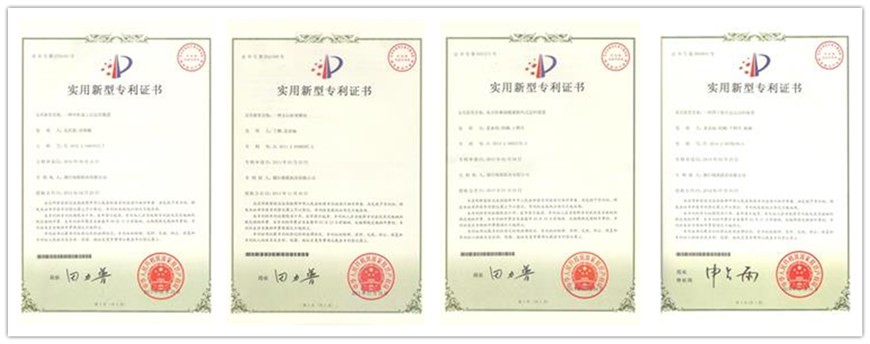
Our Certifications

Ultimate FAQ Guide to Straightening Machine
Q: What is the principle of tube straightening?
Q: What is the principle of wire straightening?
Q: What is the process of straightening in manufacturing?
Q: What is a straightening machine used for?
Q: Why do we straighten orthodontic wire?
Q: What is used before straightening?
Q: What is a straightening roll?
Q: What is the function of the straightening machine?
Q: What is the principle of tube straightening?
Q: What is pipe straightening?
Q: How do you straighten plastic pipes?
Q: How do you straighten steel tubes?
Q: What is steel straightening?
Q: How do you straighten a pipe stem?
Q: How do you bend a pipe without a machine?
Q: How do you straighten metal wire?
Q: What is a straighten steel used for?
Q: How does a pipe bending machine work?
Q: Which straightening is better?
Q: How does a bar straightening machine work?
We're well-known as one of the leading straightening machine manufacturers in China, featured by quality products and good service. Please feel free to buy high speed straightening machine made in China here from our factory.
Profile Straightener, Alloy Steel Coil Peeling Machine, Semi Automatic Ss Coil Peeling Machine