

Rolling Mill
Why Choose Us?
Rich Experience
Yantai Haige Machine Tools Co.,Ltd. was built in 1999,which is mainly producing series WXC Centerless Lathe(Bar Peeling Machine). Based on more than ten years manufacture and design experience,our machine have been exported to Russia,Vietnam,India,Korea and other countries and regions.
Wide Range of Applications
Our machine are widely used in application fields:Bright steel;Hydraulics;Machining;Auto Parts;Springs;Fasteners;Bearings;Non-ferrous Metals,such as copper,titanium,magnesium,aluminum,etc.
Reliable Product Quality
We always feel that all success of our company is directly related to the quality of the products we offer. They meet the highest quality requirements as stipulated in ISO9001, ISO14000:14001 SGS guidelines and our stringent quality control system.
Continuous Innovation
We have been constantly updating the products design and manufacturing process and introducing advanced processing equipment, which can fit the end-user's experience much better and keep high production capacity at the same time.
Rolling mills are used to roll hot or cold ferrous or non-ferrous strips, wires and even rods. Depending on the type of mill it could be used for hot or cold breakdown and finishing of bar, sheet or strip. They can also be used for finish rolling of thin gauge stock, embossing or compacting. Rolling mills can be engineered to meet the unique needs of manufacturers, metallurgists and scientists in the materials research industry and are used for a variety of applications across a range of industries.
-
![LG-50-HLLS | Double-rollers Cycle Hole Cold Rolling Mill For Metallurgical Production No Reviews Yet]() LG-50-HLLS | Double-rollers Cycle Hole Cold Rolling Mill ...Cheap Double-rollers Cycle Hole Cold Rolling Mill for sale General Description: The rolling mill is a double-rollers long-run cycle hole cold rolling mill, which is customized according to the...read more
LG-50-HLLS | Double-rollers Cycle Hole Cold Rolling Mill ...Cheap Double-rollers Cycle Hole Cold Rolling Mill for sale General Description: The rolling mill is a double-rollers long-run cycle hole cold rolling mill, which is customized according to the...read more -
![Semi Automatic Wire Rod Rolling Mill]() Semi Automatic Wire Rod Rolling MillAs a professional Wire Rod Rolling Mill / Finishing Rolling Mill manufacturer in China, We can supply designing, manufacturing, installation and commissioning of the equipment with good service....read more
Semi Automatic Wire Rod Rolling MillAs a professional Wire Rod Rolling Mill / Finishing Rolling Mill manufacturer in China, We can supply designing, manufacturing, installation and commissioning of the equipment with good service....read more -
![CNC Wire Rod Rolling Mill]() CNC Wire Rod Rolling MillAs a professional China Wire Rod Block Mill manufacturer, we are equipped with a famous factory and plant and engineers with decades experience, as well as providing with Series JY Bar...read more
CNC Wire Rod Rolling MillAs a professional China Wire Rod Block Mill manufacturer, we are equipped with a famous factory and plant and engineers with decades experience, as well as providing with Series JY Bar...read more -
![CNC Steel Tube Rolling Mill]() CNC Steel Tube Rolling MillCNC steel tube Rolling Mill refers to the mechanical equipment used in the rolling process of the finished product from raw materials to finished products.read more
CNC Steel Tube Rolling MillCNC steel tube Rolling Mill refers to the mechanical equipment used in the rolling process of the finished product from raw materials to finished products.read more -
![CNC Bar Rolling Mill]() CNC Bar Rolling MillCNC bar rolling mill is a mechanical device that realizes the metal rolling process.read more
CNC Bar Rolling MillCNC bar rolling mill is a mechanical device that realizes the metal rolling process.read more


Advantages of Rolling Mill
Ideal for Processing Metal
For ages, rolling mills have served as the perfect machinery for processing metals of varying densities. Not only do they save time in beating and flattening the metals into sheets, but they are convenient to small-scale manufacturers who place the utmost importance on efficiency and perfection in their work.
Good Consistency
Small manufacturers need the highest accuracy in their products because they produce metal sheets of comparatively smaller sizes and less in numbers than large-scale manufacturers. It is only through rolling mills that such constant uniformity is maintained throughout the long material length.
Easy to Use
Being able to use good quality rolling mills is no rocket science if you learn the basics of the machine. You can also get a test run to learn how to operate the mills efficiently.
High Productivity Rate
For a manufacturing unit, large-scale or smaller production facility, a high productivity rate in minimal time is the goal of all. With a one-time investment in rolling mills, you can boost the production rate. These machines can help you save time, ensure accuracy and time efficiency, and are a wise investment overall.
Lower Operating Cost
Rolling Mills primarily come in two categories: Hand-powered and Electric rolling mills. Hand-powered rolling mills are cost-effective for a firm and preferable for small-scale manufacturers. Electric rolling mills are known to save power, ultimately reducing costs in the long run.
Types of Rolling Mill
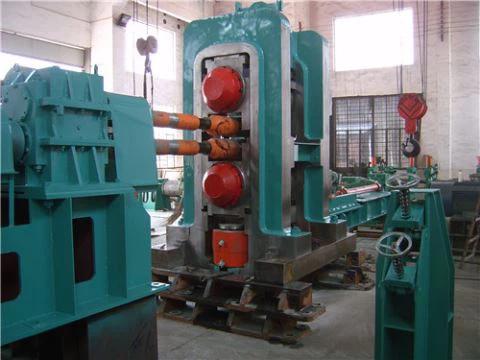
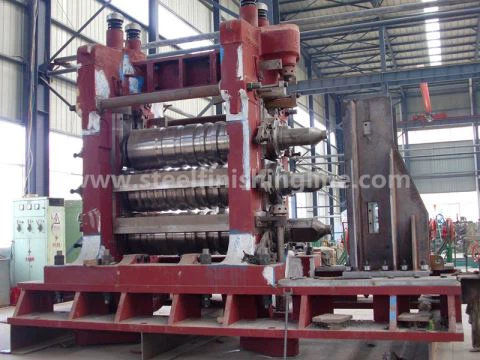
Hot Rolling Mills
Some metal products produced by hot rolling mills include plates, rods, and metal sheets. Similarly, other metals, such as I-beams and irons, can be shaped into their desired form through the hot rolling process. The metal in the machine is then heated above its normal temperature in a furnace, usually higher than its recrystallization temperature, thus making the process easy and smooth. Immediately after the metal has attained its heated level, it is fed into the rolling mill until it reaches the appropriate thickness needed. After achieving the required level of consistency, the rolled sheet is cut to length and cooled.
Cold Rolling Mill
Unlike hot rolling, Cold rolling mill involves the passing of steel and other metal materials sheet between more than one rotating roll at a temperature below the recrystallization temperature. The cold milling process usually starts with the preparation of the metal. The metal materials in this process are cleaned to remove any impurities that might cause mishaps in the cold milling production process. The metal is then fed into the cold mill and passed between rolls. The material undergoes deformation due to the immense pressure exerted by the rotating rolls within the mill. The metal is then passed through the rotating mills again and repeated until the metal materials attain their desired thickness.
Tandem rolling mills
Generally, Tandem rolling mills are characterized by their arrangement of multiple stands in a sequential manner. Each stand in the tandem mill performs a specific operation on the metal strip or sheet as it passes through, resulting in the desired final product. The stands are connected in a continuous process to ensure a streamlined operation. The sequential arrangement of stands in a tandem mill enables progressive reduction, achieving precise thickness control and uniformity.
Planetary Rolling Mill
A planetary rolling mill is your best solution if you need a steel or stripping rolling process in your manufacturing industry. This equipment utilizes a grinding jar that effectively grinds and reduces friction to process the sheet metal material fed into the rolling mill machine. The planetary rolling mill works by mounting the active roll on the planetary gear train. The gear train, therefore, rotates the work rolls in a circular motion, and through the motion; the metal material is passed between the rolls.
Application of Rolling Mill
Automotive Industry
The automotive industry heavily relies on rolling mills to produce essential components. One of the most critical applications lies in manufacturing steel and aluminum sheets used for vehicle bodies.
Rolling mills convert raw materials into thin, uniform sheets with the required thickness and surface features. The resulting sheets are used for car panels, doors, roofs, and other structural components.
Aerospace
Rolling mills also find extensive use in the aerospace industry. The production of aircraft parts demands exceptional precision, reliability, and lightweight materials. Therefore, rolling mills contribute significantly to achieving these objectives by shaping aluminum, titanium, and other alloys into sheets, plates, and extrusions. These materials are vital for manufacturing aircraft wings, fuselages, and structural components.
Construction
Rolling mills are crucial in producing steel sections, bars, and profiles used for various structural applications in the construction industry. By subjecting raw materials to controlled deformation, rolling mills produce these materials in desired shapes and sizes. Steel sections and bars produced through this process find application in bridges, buildings, tunnels, and other infrastructural projects. Rolling mills have high-strength, durable materials with precise dimensions, allowing construction professionals to build safe and resilient structures.
Manufacturing
The applications of rolling mills in the manufacturing sector are diverse and far-reaching. From producing pipes and tubes to wire rods, rails, and seamless rings, rolling mills enable the efficient transformation of various metals and alloys. For instance, rolling mills shape copper, brass, and stainless steel into tubes for plumbing, heating, and cooling systems.
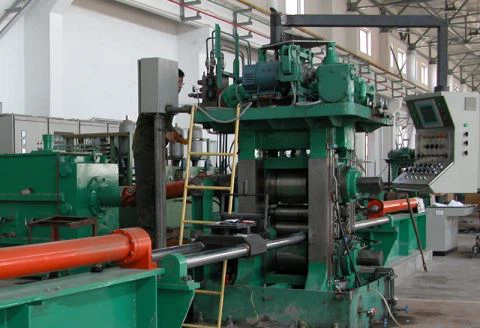
First, rolling is a popular metalworking process commonly used or related to steel production. In the process, metal sheets are passed through multiple rollers to make the end products.
Certain rolling processes employ a pair of rollers, whereas others utilize four or more. Nonetheless, metal sheets pass through these rollers to create a desired uniform thickness regardless of the number of rollers.
Hence, a rolling mill machine is essential to carry out the rolling process effectively and enhance productivity. How does a rolling mill work in metalworking?
Let’s dive in.
In metalworking, the typical operation of rolling mills involves utilizing a rotating roller sequence to decrease the thickness of metal sheets. As the process continues, the length of the metal sheets increases.
Therefore, the metal material is fed into a mill through a line of rollers, and as the metal passes through the rollers, the roll reduces the thickness of the material by a small amount.
The metal is then passed to the next roll, which is repeated until the desired thickness of the material is achieved.
What are the Main Components of a Rolling Mill Equipment
Rollers and rolls
During the rolling process, the roller within the rolling mill equipment is crucial in inducing metal deformation. The roller bearings usually support this part and help them to maintain a fixed position in the frame.
Roller adjustment device
A roller adjustment device adjusts the roll gap in rolling mill equipment so that the rolled piece may attain its required size. The upper adjustment roller is also called a ‘pressing device,’ designed in three types including; hydraulic, manual, and electric. Each upper type served different purposes. The manual one is commonly used in the small rolling mill and prolife rolling mill.
Work machine seat
This component in rolling mill equipment covers the following; roll seat, roll, roll adjustment device, worktable, rolling mill arch, bearing, Roller adjustment device, upper roll balancing device, and rolling guide, among others.
The Rack
Generally, the rack consists of two housing frames. These frames come in different types, including the open and closed varieties. The closed frame is an integral frame that features rigidity and high strength, making it ideal for strip and blooming mills. On the other hand, the open frame comprises the upper cover and the body frame. This makes the available type of frame the most suitable for roll changing. You can also find this frame type in cross-section and houseless rolling mills.
Transmission device
The transmission device is another salient part of rolling equipment consisting of a gear base, motor, connecting shaft, and reducer. Thus, the gear base in the transmission device is responsible for spreading the transmission torque to rolls in the machine.
Roll Seat
A rolling seat is also called a baseboard, thus bearing all the gravity of the working frame. Similarly, the baseboard ensures the accuracy of the installation process of the working frame. Additionally, a rolling seat is used for rack installation, thus ensuring the rack is fit on the foundation
● Put on protective gear such as gloves, glasses, and a hard hat
● Stay away from the moving parts, including rollers, which are very dangerous if not well guarded
● Desist from operating the machine if it is not well maintained
● Be vigilant of the surroundings and workers around you
● Never use the rolling mill under the influence of drugs or alcohol or when you’re tired
● Never attempt to repair or replace damaged parts while the machine runs.
● Report any unusual changes detected or seen when operating the machine.
Key Considerations When Selecting a Rolling Mill for Steel Production
Your Capacity and Production Requirements
The first step in selecting a rolling mill is assessing your production requirements. Determine the desired capacity and volume of steel you need to process. Consider factors such as the thickness and width of the steel sheets or bars and the desired output speed. This evaluation will help you determine the appropriate size and type of rolling mill required for your steel production needs.
Mill Type and Design
Rolling mills exhibit diverse types and designs tailored for specific applications in steel production. Among these, hot rolling mills are well-suited for high-temperature steel processing, while cold rolling mills are employed for precise rolling at lower temperatures. Consider the type of steel you produce and select a mill that aligns with your specific requirements.
Quality and Precision
Steel manufacturers should prioritize quality and precision in their production processes. Look for rolling mills that offer tight tolerances and uniformity in the finished steel products. The mill should be capable of producing consistent results with minimal variation in dimensions, surface finish, and mechanical properties. High-quality mills ensure that the steel meets industry standards and customer specifications.
Durability and Maintenance of the machine
Investing in a rolling mill is a long-term decision, so durability and maintenance requirements are vital considerations. Opt for mills constructed with high-quality materials that can withstand the rigors of continuous operation. Additionally, assess the ease of Maintenance and availability of spare parts for the chosen mill. A well-maintained mill will contribute to uninterrupted production and minimize downtime.
Automation and technology
Incorporating automation and advanced technology into your rolling mill can significantly enhance efficiency and productivity. Look for mills equipped with modern features such as computer numerical control (CNC), real-time monitoring systems, and predictive maintenance capabilities. Automation streamlines operations reduces human error, and provides valuable data for process optimization.
Energy Efficiency
In today’s environmentally conscious world, energy efficiency is a critical factor to consider. Opt for rolling mills that prioritize energy-saving features and sustainable practices. Mills with efficient motor systems, optimized rolling processes, and implementing heat recovery systems can lead to a substantial reduction in energy consumption and result in decreased production costs.
Cost and Return on Investment
While considering all the above factors, it’s essential to assess the cost of the rolling mill and evaluate the potential return on investment (ROI). Compare the initial investment, operational costs, and long-term benefits the mill provides. A well-balanced cost-to-benefit ratio will help you make a sound financial decision. Choosing the ideal rolling mill will contribute to higher productivity, improved product quality, and a competitive edge in the steel industry.
How to Maintain a Rolling Mill
Clean and Lubricate Regularly
Regular cleaning and lubrication are fundamental maintenance practices for a rolling mill. After each use, remove any debris, metal shavings, or dust from the rollers, guides, and gears. This can be done using a brush or compressed air. Additionally, lubricate the moving parts, such as the roller bearings and gears, according to the manufacturer’s recommendations. Proper lubrication ensures smooth operation and minimizes friction, reducing wear and tear on the mill components.
Inspect and Replace Worn Parts
Regular inspections are crucial to identify any worn or damaged parts that may affect the performance of your rolling mill. Check the rollers, guides, and other components for signs of wear, such as cracks or uneven surfaces. If you notice any issues, promptly replace the worn parts to prevent further damage. Regularly inspecting and replacing worn parts ensures the mill operates smoothly and maintains consistent output quality.
Check Alignment and Leveling
Proper alignment and leveling are critical for the accurate and efficient operation of a rolling mill. Check the alignment of the rollers and guides periodically to ensure they are parallel and properly adjusted. Misaligned rollers can lead to uneven material thickness and poor quality output. Use a leveling tool to check if the mill is positioned correctly, and make any necessary adjustments to ensure it is level. Proper alignment and leveling promote uniformity in rolling processes and prevent unnecessary stress on the mill components.
Maintain Electrical and Control Systems
If your rolling mill is equipped with electrical and control systems, it is important to include them in your maintenance routine. Regularly inspect and clean the electrical connections, ensuring they are secure and free from corrosion. Check the control panels and switches for any signs of malfunction or loose wiring. If you notice any electrical issues, consult a qualified electrician to address them promptly. Proper maintenance of electrical and control systems helps ensure safe and reliable operation of the rolling mill.
Implement Preventive Maintenance Schedule
To streamline the maintenance process and ensure consistency, develop a preventive maintenance schedule for your rolling mill. Create a checklist of tasks to be performed daily, weekly, monthly, and annually. This can include cleaning, lubrication, inspection, and calibration procedures. Assign responsibility to specific individuals or teams and track the completion of each task. By following a preventive maintenance schedule, you can proactively address potential issues before they escalate, minimizing downtime and maximizing the lifespan of your rolling mill.
Train Operators and Users
Proper operation of a rolling mill plays a vital role in its maintenance and longevity. Ensure that operators and users are trained in the correct operation and handling of the mill. Educate them on safety precautions, proper material feeding techniques, and maintenance protocols. Encourage operators to report any unusual sounds, vibrations, or performance issues immediately. Well-trained operators can contribute to the efficient functioning of the rolling mill and help identify maintenance needs in a timely manner.
Factors Affecting Hot Rolling Mill Scheduling
Raw Material Availability
Raw materials are the lifeblood of any rolling mill, and their availability in quantity and quality is crucial for efficient scheduling. Schedulers must work closely with procurement teams to ensure a steady supply of raw materials. Additionally, implementing strategies for managing and optimizing raw material inventory, such as just-in-time delivery and effective storage solutions, can contribute to a smoother scheduling process.
Equipment Maintenance
The significance of well-maintained machinery in hot rolling mill scheduling cannot be overstated. Regular preventive maintenance is essential to minimize unexpected breakdowns and downtime. Schedulers must collaborate with maintenance teams to develop maintenance schedules that align with production demands. Proactive measures, such as condition monitoring and predictive maintenance, can help anticipate potential equipment failures and plan maintenance activities accordingly.
Production Demand and Market Trends
Adapting scheduling to meet varying production demands is a dynamic challenge faced by rolling mills. Schedulers must stay informed about market trends, customer orders, and industry forecasts to adjust production schedules accordingly. Flexibility in scheduling is essential to accommodate changes in demand, whether due to seasonal fluctuations or unexpected market shifts. Collaborating closely with sales and marketing teams ensures the production schedule aligns with customer requirements and market demands.
Data-Driven Scheduling
In this digital age, data is an integral aspect of processes. For hot rolling mill scheduling, collecting and analyzing relevant data is a game-changer. Data-driven scheduling involves the systematic gathering of information from various stages of the production process, including raw material procurement, equipment performance, and product quality metrics.
Advanced Scheduling Software
Modern scheduling tools and software have revolutionized the way rolling mills plan and execute their production schedules. These advanced solutions go beyond traditional methods, offering real-time insights, optimisation algorithms, and automation capabilities.
Collaboration and Communication
Effective communication is a linchpin in successful hot rolling mill scheduling. The complex coordination of various tasks, from raw material preparation to the dispatch of finished products, requires seamless communication among different departments and teams.
Our Factory
The company is based on the manufacturing plant---Yantai Haige Machine Tools Co.,Ltd & Yantai Hangjian Refined Special Steel Equipment Co.,Ltd. whose area is more than 20000m² . There are 140 staffs working in the factory. The factory is mainly engaged in producing and selling bar peeling machines(centerless lathes), straightening machines, polishing machines(abrasive belt machines), auxiliary machines and other processing and finishing equipment for steel(bright steel) for more than ten years.

Our Certifications


Ultimate FAQ Guide to Rolling Mill
Q: How does data-driven scheduling benefit hot rolling mills?
Q: What role do advanced scheduling tools play in optimizing production schedules for rolling mills?
Q: How can scheduling software enhance collaboration within rolling mill facilities?
Q: Why is effective communication crucial for hot rolling mill scheduling?
Q: How can rolling mills adapt their schedules to varying production demands and market trends?
Q: What is the guide for a rolling mill?
Q: What are the fundamentals of rolling mill?
Q: What are the safety guidelines for rolling mills?
Q: What is the 4 high rolling mill process?
Q: How many types of rolling mills are there?
Q: What are the characteristics of a rolling mill?
Q: What is positive and negative bending in rolling mill?
Q: What is a 3 high rolling mill?
Q: What is the difference between rolling and re rolling mill?
Q: How rolling mills can be classified?
Q: What is the working principle of roll mill?
Q: What is 4 high rolling mill?
Q: What are the advantages of a two-high rolling mill?
Q: What is rolling mill torque?
Q: What are 4 examples of rolling friction?
We're well-known as one of the leading rolling mill manufacturers in China, featured by quality products and good service. Please feel free to buy high speed rolling mill made in China here from our factory.
Stainless Steel Wire Peeling Machine, Titanium Tube Straightener, Wire Rod Shot Blasting Machine